
Holy Ghost Street Party: Where Luxembourg’s History Meets Its Modern Cultural Soul
Every city has a place where its history feels alive rather than preserved behind glass. In Luxembourg City, that place is Rue du Saint-Esprit.
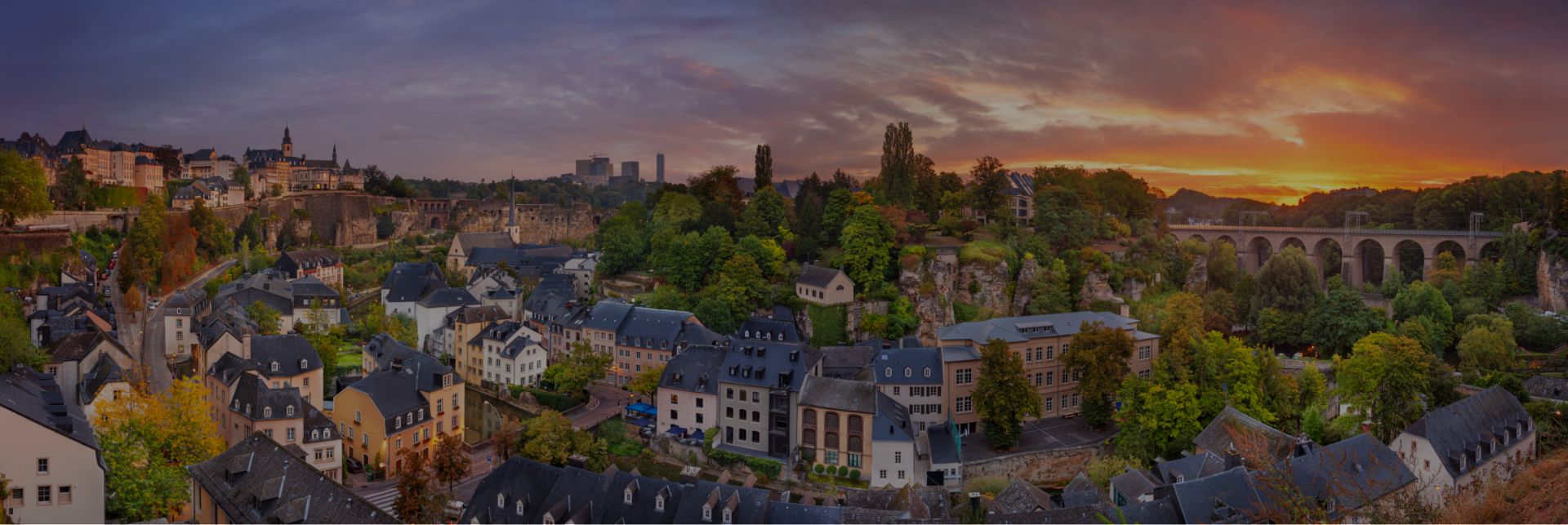
Nestled within the UNESCO-listed historic centre, the area surrounding the Holy Ghost Citadel has evolved into one of the capital’s most unique cultural gathering points. What was once part of a medieval religious settlement and later a strategic military stronghold has become a vibrant setting for live music, outdoor celebrations, food, art and community events.
At the centre of this transformation stands Mesa Verde, a long-established restaurant and cultural meeting place that has helped shape what is now known by many locals as the Holy Ghost Street Party.
A Location Steeped in Centuries of History
To understand the significance of the Holy Ghost Street Party, it is important to understand the location itself.
The Saint-Esprit plateau has been part of Luxembourg’s story for almost 800 years. Historical records trace the origins of the site back to 1234, when a religious community was established on what would become known as the Holy Ghost Plateau. Over time, the area became integrated into Luxembourg’s growing fortifications and eventually developed into an important defensive position overlooking the valleys below.
The plateau’s military significance increased during the Spanish and later French periods of rule, with engineers including the renowned military architect Vauban strengthening the surrounding fortifications. Today, visitors can still see remnants of these historic structures around the Holy Ghost Citadel and the surrounding viewpoints overlooking the Grund district and the Alzette valley.
The result is a location unlike almost any other in Europe: a place where medieval foundations, fortress walls, government buildings and contemporary cultural life exist side by side.
From Historic Quarter to Cultural Stage
While many historic districts become quiet museum pieces, Rue du Saint-Esprit followed a different path.
Over the past three decades, the street has gradually developed a reputation as a gathering place for artists, musicians, creative communities and independent cultural initiatives. Rather than competing with Luxembourg City’s larger event spaces, the area developed its own identity: intimate, welcoming and deeply connected to its surroundings.
The street’s elevated position above the valleys provides dramatic views across the city, while its narrow historic character creates an atmosphere that feels both urban and village-like at the same time.
This combination has made the area particularly attractive for outdoor concerts, cultural festivals and community celebrations.
Mesa Verde’s Role in Creating the Holy Ghost Identity
No discussion of the Holy Ghost Street Party would be complete without recognising the role played by Mesa Verde.
Located on Rue du Saint-Esprit, Mesa Verde has long been far more than a restaurant. Over the years it has become a meeting point for musicians, artists, DJs, visitors and locals alike.
The venue has consistently supported outdoor performances and cultural programming, helping transform the surrounding street into a recognised event space within Luxembourg City’s cultural calendar.
According to information published by the venue itself, the roots of the Holy Ghost Street Party stretch back to the early 1990s, when outdoor music events began taking place in the area. Since then, the concept has grown into a recurring celebration that combines live music, food, social connection and the unique atmosphere of Luxembourg’s historic centre.
In many ways, Mesa Verde has acted as a bridge between the area’s historic identity and its contemporary cultural life, helping ensure that the Saint-Esprit plateau remains a living part of the city rather than simply a historic landmark.
The Holy Ghost Stage and Fête de la Musique
The clearest example of the area’s cultural importance can be seen during Fête de la Musique.
Each year, Rue du Saint-Esprit becomes home to the Holy Ghost Stage, one of the most distinctive performance spaces in the city-wide festival. Local artists, international performers, DJs and emerging talent perform against a backdrop of centuries-old architecture and panoramic city views.
Unlike large commercial festival grounds, the Holy Ghost Stage offers something more intimate. Audiences gather within a historic street rather than a purpose-built venue. Conversations flow between performances. People move between music, food and social spaces with ease.
The atmosphere reflects the original spirit of Fête de la Musique itself: bringing culture directly into public spaces and making music accessible to everyone.
The continued inclusion of the Holy Ghost Stage within Luxembourg City’s official festival programme demonstrates how firmly the area has established itself as part of the country’s cultural landscape.
A Reflection of Modern Luxembourg
Perhaps the most interesting aspect of the Holy Ghost Street Party is how accurately it reflects modern Luxembourg itself.
The Grand Duchy has always been shaped by different influences. French, German, Luxembourgish and international cultures meet here every day. The country’s population includes people from across Europe and around the world.
That diversity is often visible during Holy Ghost events.
A single evening may include multiple languages, different musical styles, visitors from numerous countries and several generations sharing the same public space. Folk musicians may be followed by electronic artists. Local bands perform alongside international acts. Residents mingle with tourists discovering the city for the first time.
This blending of identities is one of Luxembourg’s greatest strengths, and nowhere is it more visible than in events that bring people together in public spaces.
More Than a Street Party
Calling it a street party almost undersells what has developed on Rue du Saint-Esprit.
The event represents a wider philosophy about how cities can use historic spaces. Rather than separating heritage from contemporary life, the Holy Ghost Street Party demonstrates how both can coexist.
The ancient plateau remains relevant because people continue to gather there. The old walls remain meaningful because they form part of a living cultural environment. History becomes something experienced rather than simply observed.
In an age when many European cities struggle to balance tourism, heritage preservation and local culture, the Holy Ghost Street Party offers a compelling example of how all three can successfully work together.
The Spirit of Luxembourg City
As Luxembourg City continues to grow and evolve, the Holy Ghost Street Party remains one of the clearest expressions of its character.
It combines history without becoming nostalgic. It celebrates culture without becoming exclusive. It welcomes visitors while remaining authentically local.
From its origins on a medieval religious plateau to its modern role as a home for music, creativity and community, the Saint-Esprit district has continually adapted to the needs of each generation.
Today, thanks in large part to the cultural energy surrounding Mesa Verde and the Holy Ghost Stage, the area remains one of the capital’s most distinctive destinations.
For a few evenings each year, centuries of Luxembourg history become the backdrop for live music, shared experiences and new memories.
And perhaps that is the true spirit of the Holy Ghost Street Party: not simply preserving Luxembourg’s past, but giving it a place within the city’s future.
12th June:
LIVE PERFORMANCES
L’éphémére
Alfalfa
Maz Univerze
De Läb
Indus
MUSIC & VISUALS
Casablanca 303
DJ Leo Lopez
VJ Ozz
14th June:
LIVE PERFORMANCES & DJS
Bluish
Ptolemea Duo
Miss Sapho
22nd June:
LIVE CONCERTS & DJS
Abanda
The Gazmen
DJ Leo Lopez feat Superdance Jam
DJ Ipek feat Hirpani
Ghetto Kumbe
VJ Ozz
More performances during the season to be announced.